What Is the LON Method?
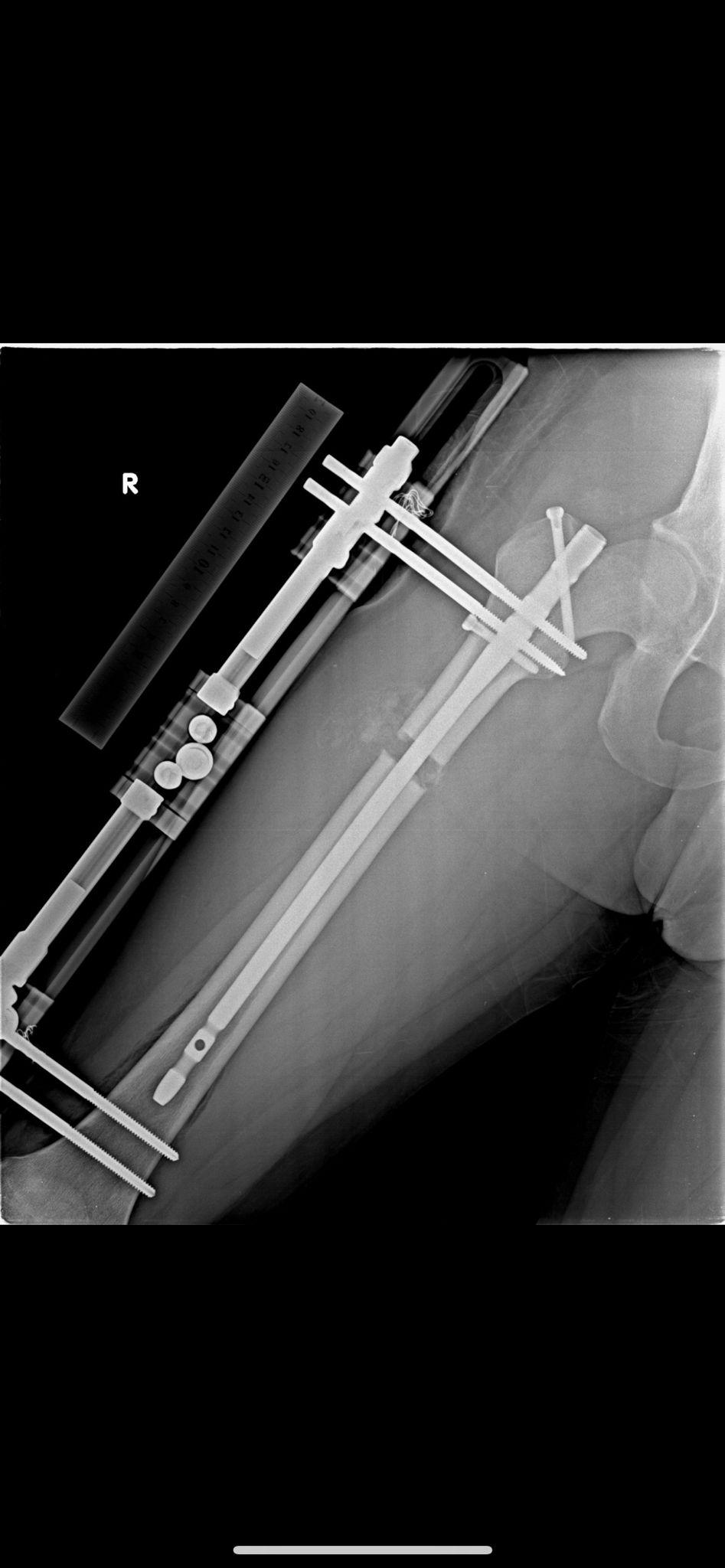
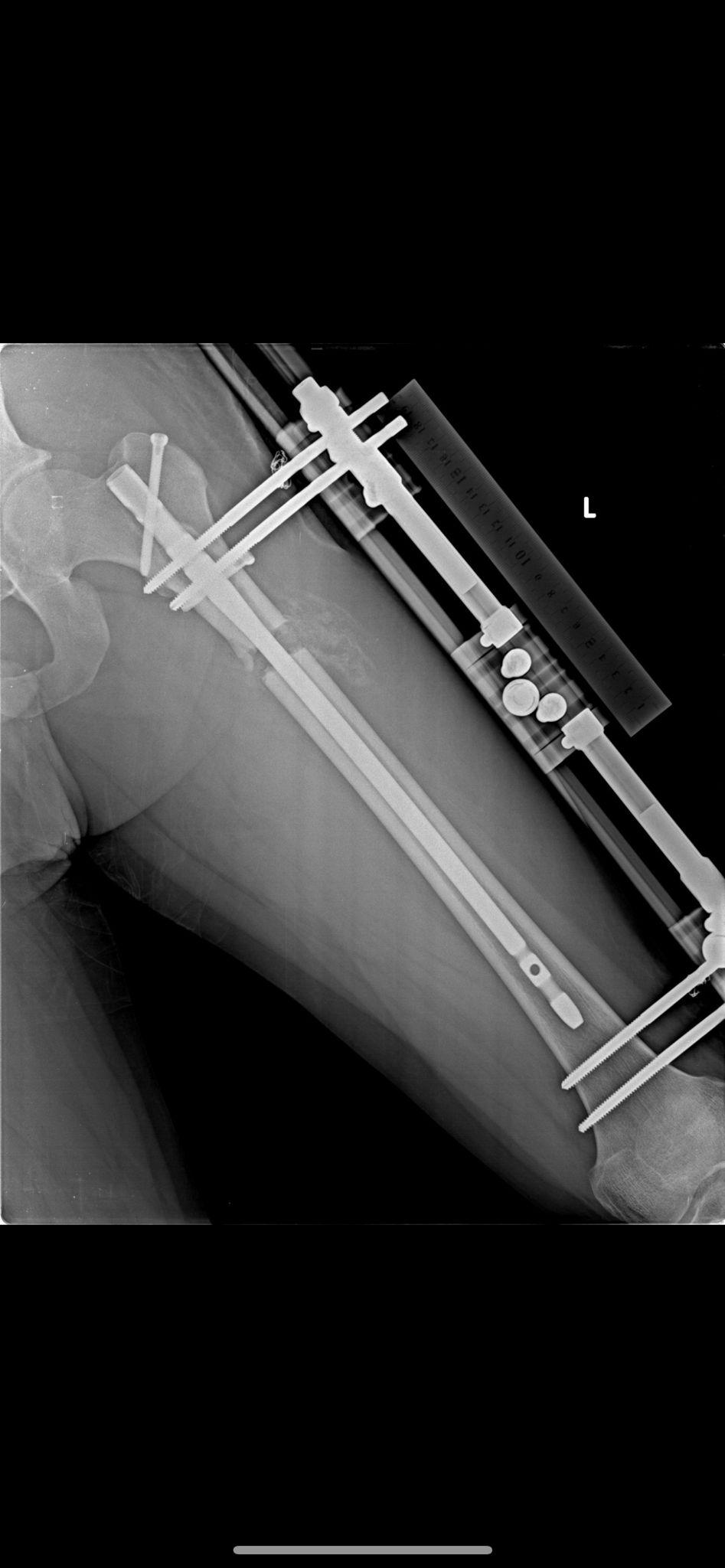
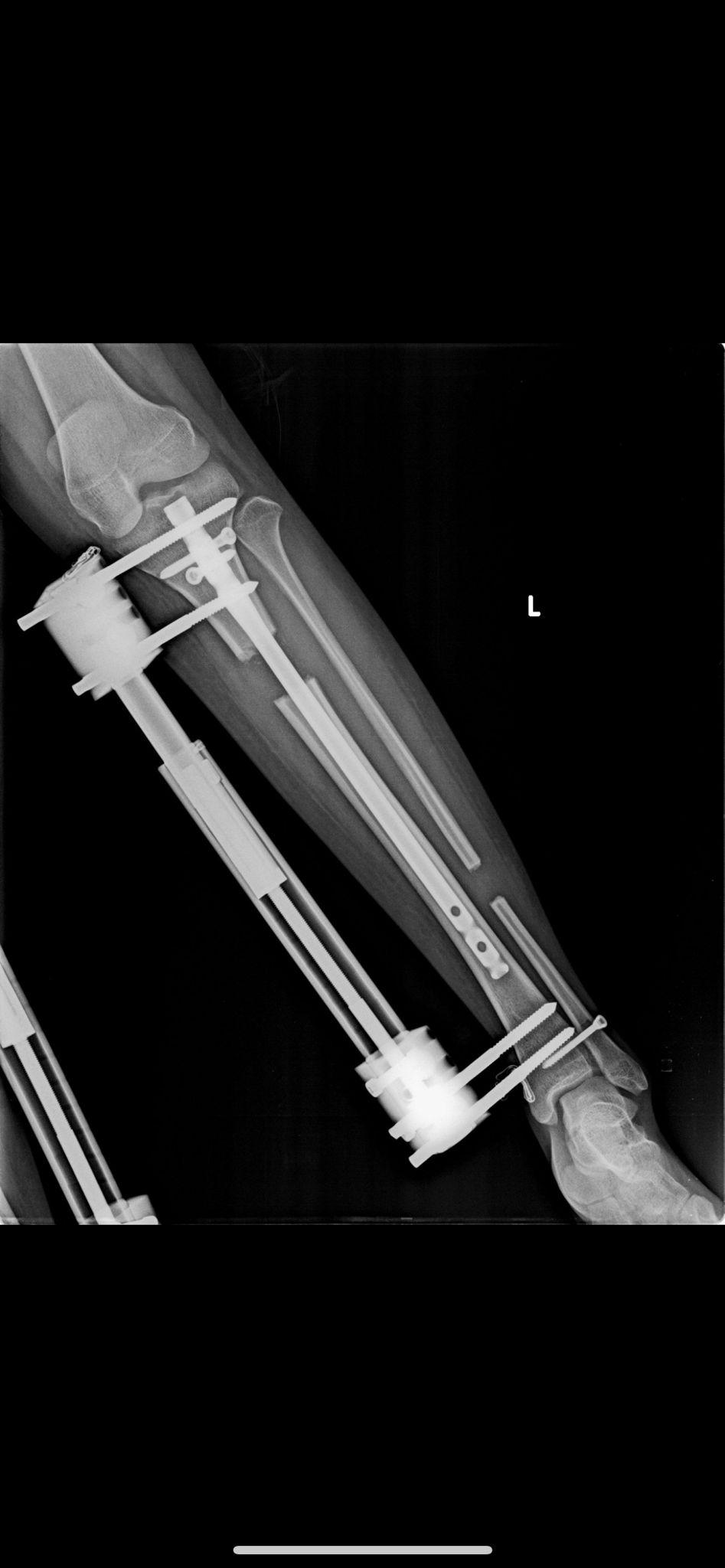
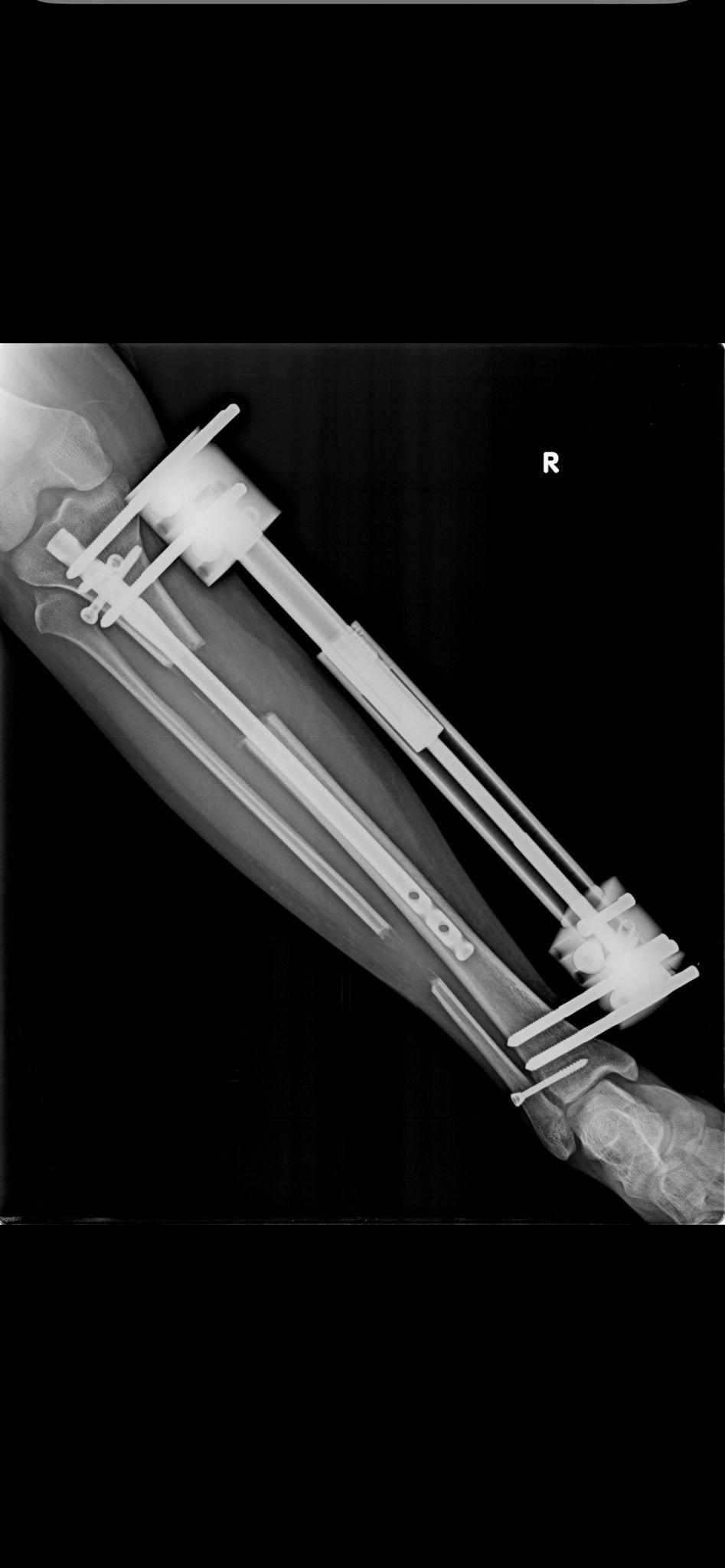
LON (Lengthening Over Nail) is a hybrid limb-lengthening technique where:
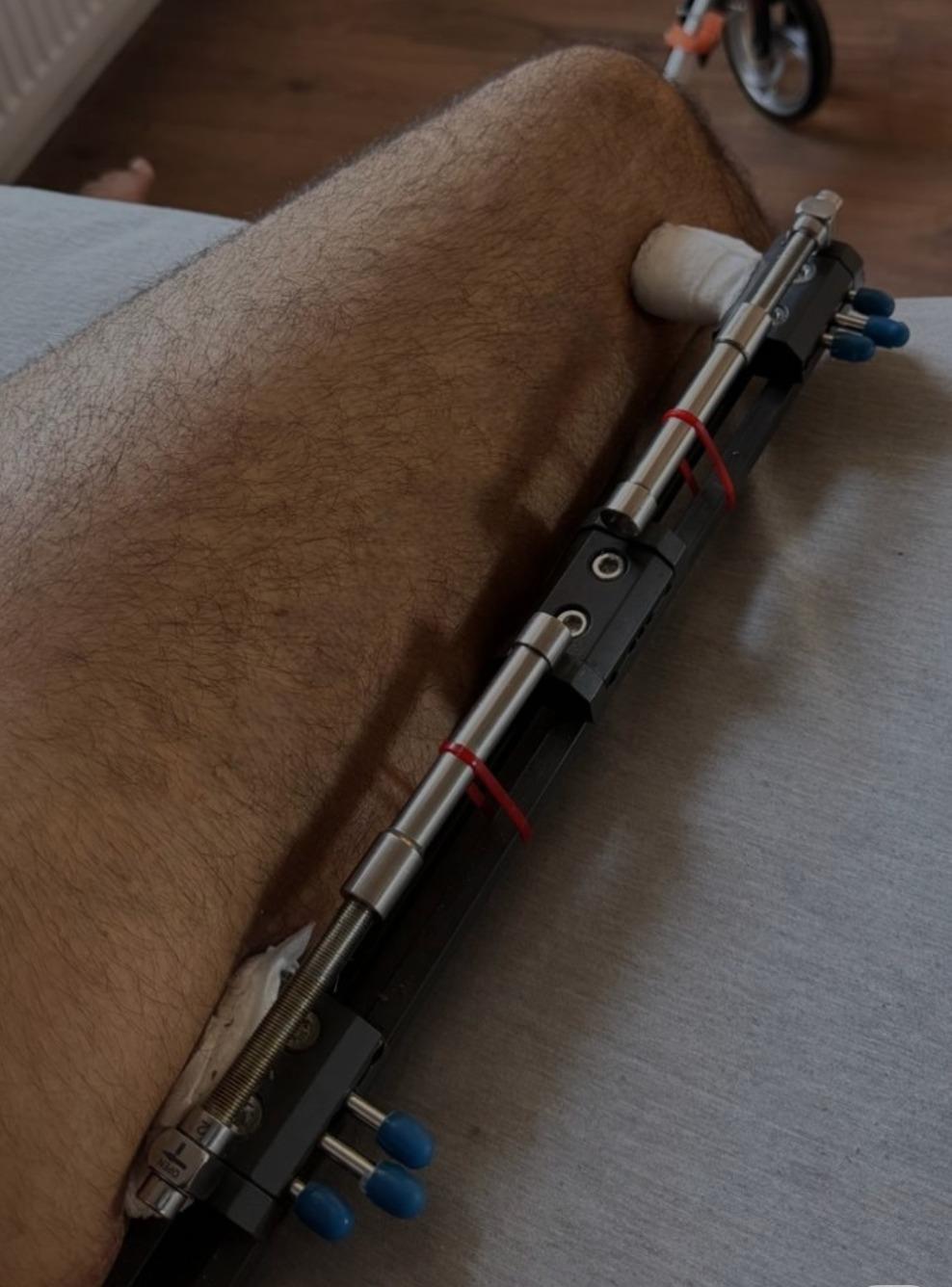
- An external fixator is used initially for distraction (bone separation),
- Then a load-bearing intramedullary nail supports consolidation (bone hardening).
The technique is based on Ilizarov’s principles and aims to reduce the external fixator duration while still achieving controlled, safe bone lengthening.
Scientific Basis of the LON Method
The LON procedure is supported by three main biomechanical and biological principles:
1. Distraction Osteogenesis
New bone tissue forms between two slowly separated bone segments after osteotomy.
2. Hybrid Stabilization
Using both the external fixator and intramedullary nail provides:
- Higher rotational stability
- Faster bone consolidation
- Lower fixation-related complication rates
3. Early Weight Bearing
The intramedullary nail allows early controlled loading, which improves bone regeneration quality.
How Is the LON Method Performed?
The typical steps of the LON technique include:
- Osteotomy (surgical bone cut)
- Application of an external fixator
- Daily distraction begins (usually 0.75–1 mm/day)
- After reaching the target length, the intramedullary nail becomes the primary support
- External fixator removal, followed by partial–then full weight-bearing
Advantages of the LON Method (Based on Scientific Literature)
1. Shorter External Fixator Time
Compared to the classic Ilizarov method, LON reduces external fixator usage by 40–60%, significantly improving patient comfort.
2. Lower Psychological Burden
Shorter fixator duration leads to:
- Better mobility
- Fewer daily limitations
- Faster return to work and social life
3. Cost-Effective
Compared to motorized internal systems like Precice or Fitbone, LON offers similar lengthening success at a significantly lower cost.
4. Strong Mechanical Stability
The intramedullary nail decreases:
- Risk of post-lengthening bone fractures
- Rotational deformities
- Overall complication rate
Disadvantages and Possible Risks
Scientific reviews list the following potential issues:
1. Pin-Track Infections
Common in all external fixator systems but typically manageable with antibiotics and proper pin-site care.
2. Skin Irritation and Local Discomfort
Temporary soft-tissue irritation around fixator pins is expected.
3. Need for Intensive Physical Therapy
Maintaining joint flexibility during lengthening is essential to avoid contractures.
4. Two-Stage Surgical Process
Both fixation and fixator removal count as separate interventions.
Comparison With Other Limb-Lengthening Methods
LON vs Ilizarov
- LON offers faster recovery
- Shorter fixator duration
- Improved patient comfort and appearance
LON vs Precice
- Precice is more comfortable and fully internal
- Lower infection risk
- But LON is significantly cheaper and widely available
LON vs Fitbone
- Fitbone is fully internal and motorized
- LON requires temporary external fixation
- LON offers a better cost–benefit ratio
Who Is a Good Candidate for the LON Method?
According to current clinical guidelines, ideal candidates include:
- Adults aged 18–45
- Individuals with healthy bone density
- Patients seeking a budget-friendly but reliable method
- Those looking for faster recovery compared to full external fixators
Conclusion
The LON method remains one of the most practical and scientifically supported limb-lengthening techniques.
Thanks to its:
- Predictable outcomes
- Reduced fixator time
- Strong stability
- Cost advantage
It continues to be a preferred choice in modern limb-lengthening surgery.


 Ossa Taller tarafından